Phase 1. Carbon Education
This phase establishes a shared and grounded understanding of climate change, carbon finance, and their implications within the lived realities of IP and LCs. Its purpose is to build a common foundation of climate and carbon literacy that enables communities to understand how carbon markets function, including their potential benefits, limitations, risks, and long-term implications. By situating global concepts within local experiences, this phase supports informed collective reflection, ensuring that decisions taken later in the process are based on clarity rather than assumption, and on context rather than abstraction.
Grounding climate understanding at the outset enables IP and LCs to engage with climate initiatives on their own terms, to critically assess whether carbon finance aligns with their priorities, and to determine the conditions under which it may or may not be relevant. This phase also creates space for communities to surface prior experiences, perceptions, and questions related to climate actors, fostering a shared language and baseline from which meaningful dialogue can emerge. In doing so, it strengthens the community’s ability to navigate future discussions with external actors from a position of knowledge, confidence, and collective awareness.
Relevant Principles
This phase operationalizes the principle of “Empowerment, Education and Capacity”. Learning is approached as a collective and contextual process that builds shared language, confidence, and the ability to engage critically with climate related opportunities and risks. Knowledge is not transferred in a one directional manner, but interpreted through local experience, knowledge systems, and governance practices.
Capacity Building
Capacity building in this phase establishes the foundation upon which all subsequent phases of the methodology are built. Its purpose is to ensure that IP and LCs enter the process with a shared and grounded understanding of climate change, nature-based solutions, and carbon markets, so that future discussions and decisions are informed, deliberate, and aligned with community realities. Rather than assuming prior knowledge or exposure, this phase creates a common starting point that enables collective engagement and reduces the risk of misunderstandings or unequal access to information.
This initial investment in knowledge is essential to support meaningful participation and to enable communities to engage with external actors, concepts, and opportunities from a position of clarity and confidence. By strengthening understanding at the outset, this phase contributes to more balanced dialogue, stronger governance processes, and more informed decision-making throughout the methodology.
The capacity building component of this phase is delivered through a series of structured video modules, designed to provide accessible, consistent, and contextually adaptable learning. These modules introduce key concepts in a progressive manner, combining visual explanations with facilitation and group discussion to support collective understanding.
The use of video content allows communities to engage with complex topics at their own pace, while ensuring that core information is presented in a clear and standardized format. Each module is complemented by facilitated dialogue and reflection exercises, creating space for participants to relate the content to their own experiences, raise questions, and build a shared interpretation of the topics discussed. This blended approach supports both individual comprehension and collective learning.
Module 1.1
Climate Change Foundations
Build a shared and grounded understanding of climate change by connecting scientific concepts with local realities and lived experiences.
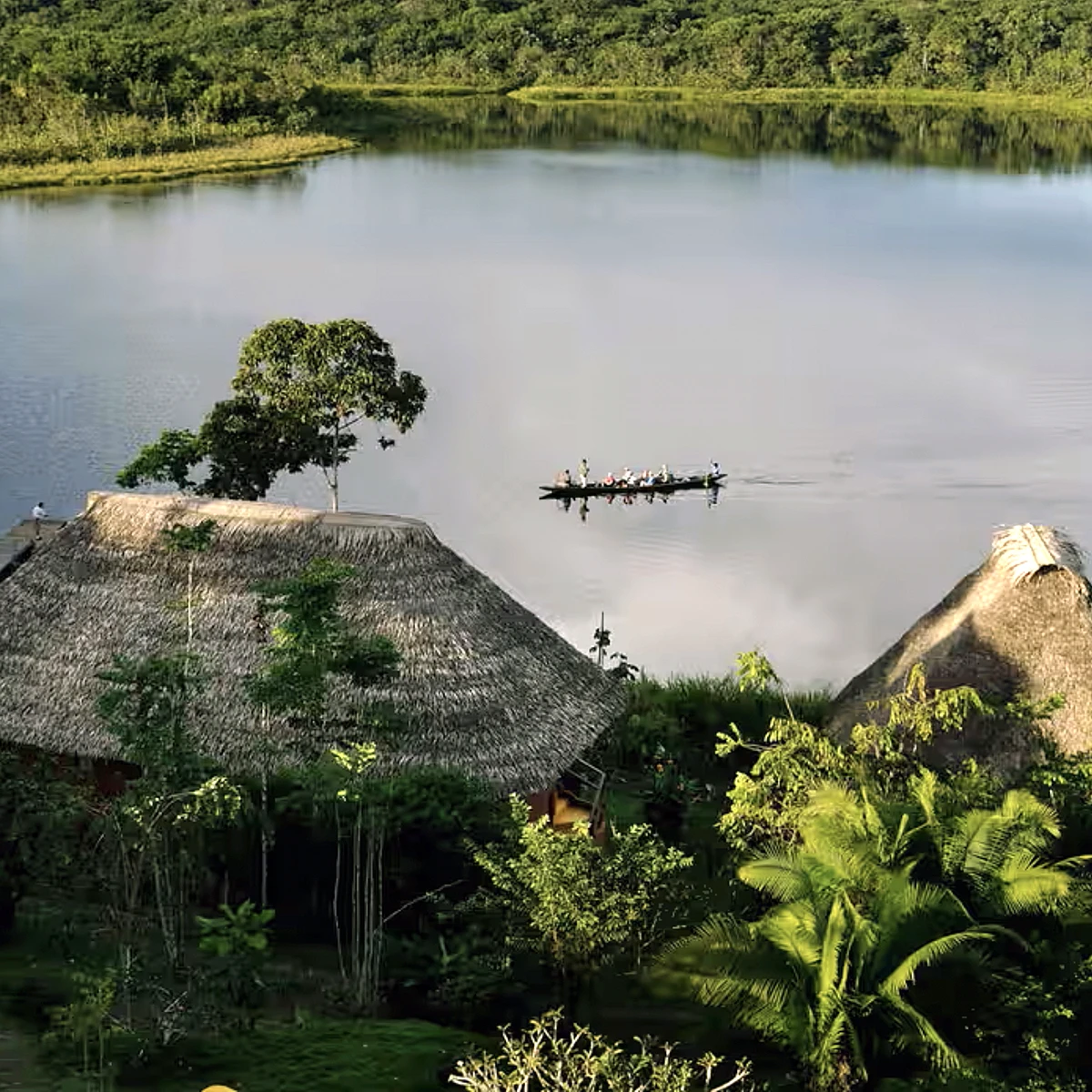
Climate Change Foundations
Learning Objectives: Build a shared and grounded understanding of climate change by connecting scientific concepts with local realities and lived experiences.
- Understand the carbon cycle and its role in regulating the climate
- Recognize the main drivers of climate change and their global implications
- Identify observable climate change impacts within local territories
- Connect scientific knowledge with community experiences and environmental changes
- Develop a common language to discuss climate-related issues collectively